
69th Commission on Narcotic Drugs
The Commission on Narcotic Drugs plays a crucial role as the policymaking body of the UN system with primary responsibility for drug-related matters. This year, around 2000 participants attended, including 134 Member States, 20 intergovernmental organization, 9 UN entities and 198 non-governmental organizations.
At the CND participants counter the world drug problem, with the aim of strengthening international cooperation and improving policy responses. It was widely recognized that the drug phenomenon is worsening and becoming increasingly complex. Markets are more dynamic and interconnected, contributing to the emergency of a globalized system.
Two main drug policies’ approaches emerged in the debate. The first is security and repression-oriented and focuses on military operations and anti-cartel enforcement. However, the general trend appears to be shifting towards a second one. This approach prioritizes evidence-based prevention, treatment, recovery and social reintegration. The new EU drug strategy was mentioned as an example of it.
With more than 900 representatives, Civil Society reached a record level of participation. They participated through statements, questions during informal dialogues and 169 side events. NGOs, experts, activists and volunteers explored drug-related issues from ethical, scientific and economic perspectives.
Civil Society embraced the need to move towards a more holistic and people-centred approach that fully integrates human rights in drug policies. Plenty of side events focused on it, highlighting policies’ gaps and achievements. Particularly interesting were the debates about how criminal penalties are the common response to drugs in many countries (in the US, for example, each year there are more than 1000 arrests for drug possession).
Regarding this, one of the most addressed themes was incarceration and the problematics that come with it. The lack of effective rehabilitation and reintegration programs leads most of the former prisoners to return to substance abuse, increasing the possibility of overdoses. Furthermore, the stigmatization and social exclusion most of them face make it extremely difficult to undertake a detox program.
It is also necessary to improve awareness about women incarceration, and the inequalities and discrimination they face. In most of the countries there are still no policies that recognise how the social conditions of lots of arrested women (poverty, gender inequalities, caretaking responsibilities) can be crucial factors leading to illegal conducts.
In general, several side events focused on comprehensive prevention, treatment policies and evidence-based rehabilitations.
Lots of other issues were raised by Civil Society, like the importance of promoting alternative development programmes in drug-related economies (as indigenous communities in South America). Furthermore, access to medicines: many people still lack access to substances for medical use, and it was stressed that countries should ensure their availability, while preventing possible abuses.
Speakers also underlined the importance of information sharing and coordination to control the drug market’s developments. Concerning the new synthetic drugs’ emergency, the improvement of early warning systems is fundamental to prevent their spread.
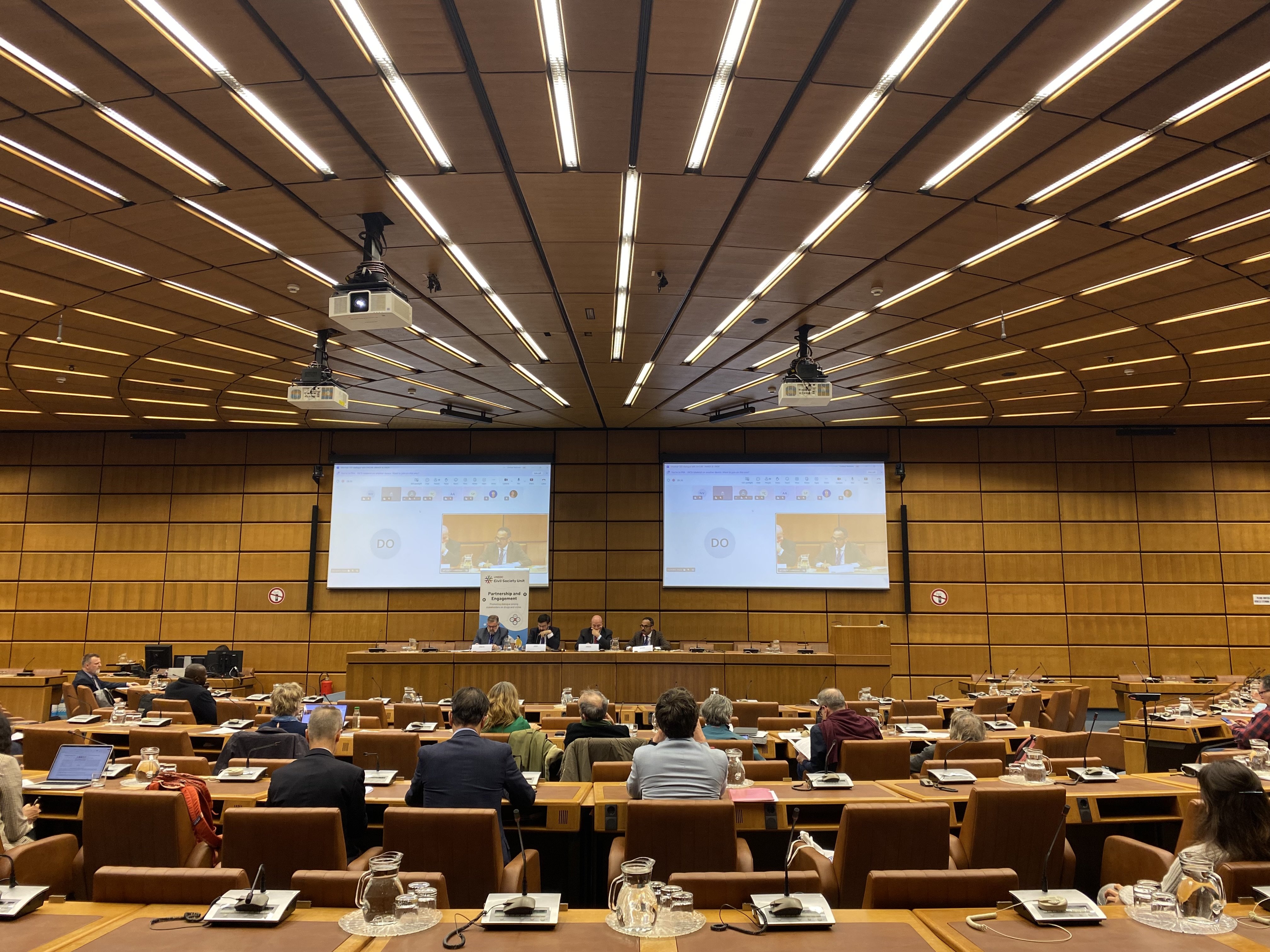
One of the key outcomes of the CND was the constitution of the Expert Panel established in 2025 (resolution 68/6). It is tasked with making recommendations to enhance the implementation of international drug control treaties and support the achievement of policy commitments.
The Commission added three new substances to the international control list: two synthetic opioids (N-pyrrolidino isotonitazene and N-desethyl etonitazene) and a synthetic cannabinoid (MDMB-FUBINACA).
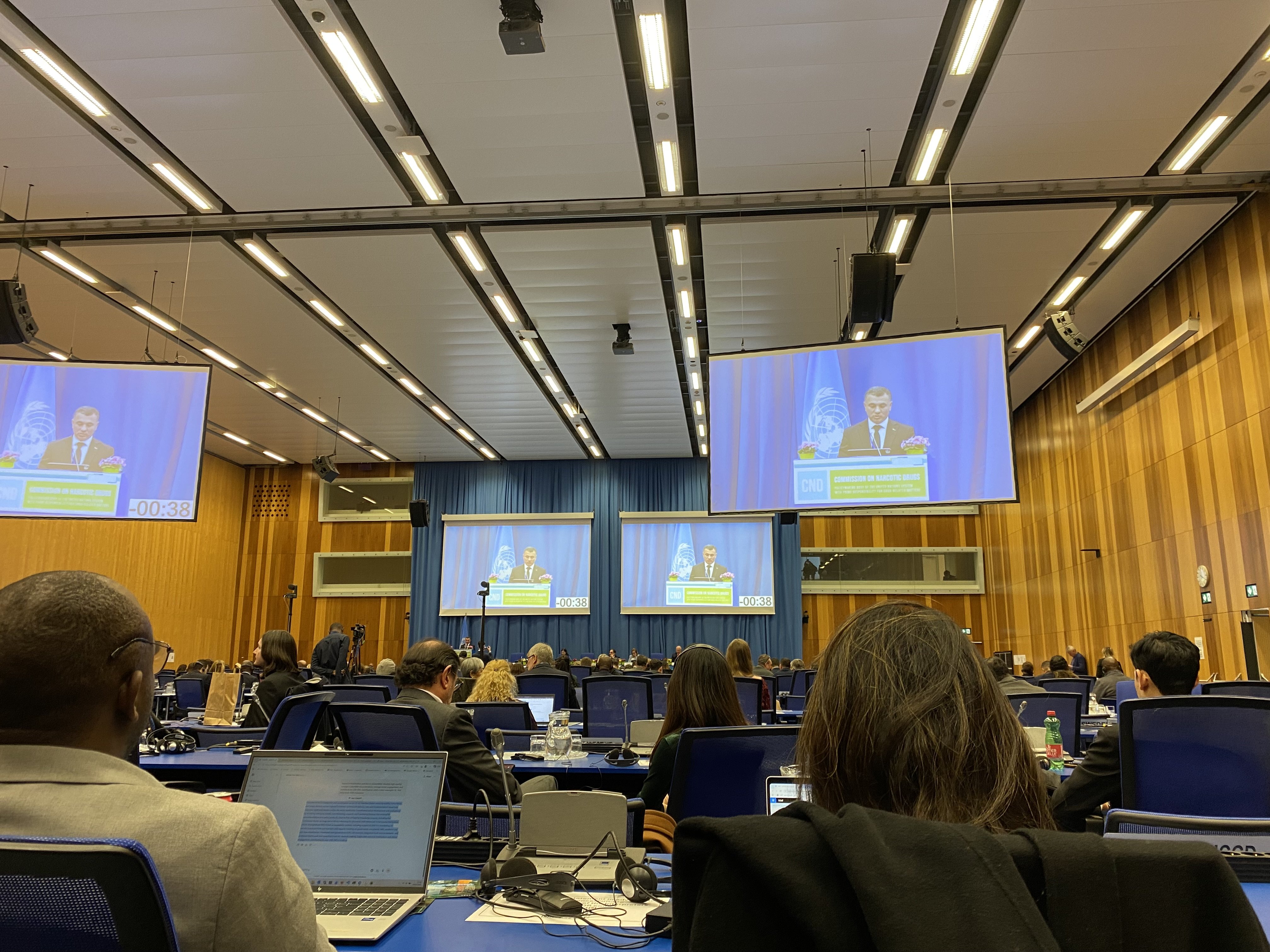
Five resolutions were adopted to facilitate drug policies’ implementation:
- E/CN.7/2026/L.2: Measures to implement article 13 of the United Nations Convention against Illicit Traffic in Narcotic Drugs and Psychotropic Substances of 1988 to prevent the diversion of equipment and related materials used for illicit production and manufacture of drugs;
- E/CN.7/2026/L.3/Rev.1: Enhancing supply chain integrity to prevent the criminal exploitation of illicit supply chains and shipping modalities for the illicit manufacture and trafficking of narcotic drugs and psychotropic substances;
- E/CN.7/2026/L.4/Rev.1: Appendix to complement the United Nations Guiding Principles on Alternative Development;
- E/CN.7/2026/L.5/Rev.1: Strengthening early warning mechanisms to enable effective responses to the emergence of new synthetic drugs, new psychoactive substances and precursors, including pre-precursors and designer precursors;
- E/CN.7/2026/L.6/Rev.1: Promoting integrated and coherent systems of scientific evidence-based drug-related public health responses.
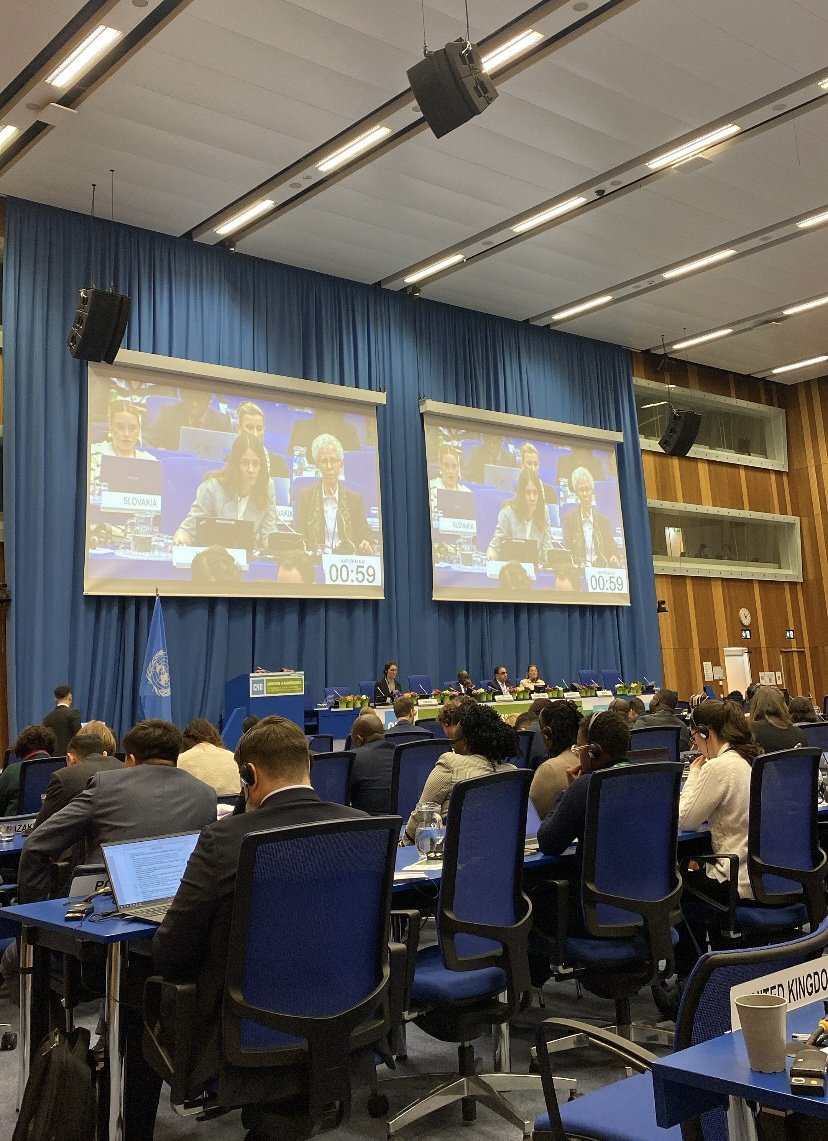
At the end of the Commission on Narcotic Drugs, the UNODC Acting Executive Director John Brandolino said that “This week is proof that despite obstacles, you are committed to showing up and addressing the world drug problem” … “The commission is a unique space, bringing together individuals from different sectors – sometimes to disagree but ultimately to move forward. At a time when dialogue is more difficult, these spaces are increasingly rare”.
31 Mar, 2026