
Ad Hoc Committee on Cybercrime
One of the most debated items on the agenda concerned Rules 14 to 17 of the Rules of Procedure, which regulate stakeholder participation. Many Member States acknowledged the importance of involving non-state actors, yet diverging positions and perspectives emerged during the discussion.
A first group of countries advocated for open and inclusive participation of NGOs, academia and the private sector, highlighting the technical expertise these actors provide. Several delegations underlined the specific nature of cybercrime compared to other forms of transnational crime addressed by conventions such as UNTOC and UNCAC. In this context, access to data held by the private sector and the collection of electronic evidence are essential, particularly given the technical complexity that increasingly challenges law enforcement authorities. A second group of States supported a more limited involvement of multi-stakeholders, restricted to technical matters and pending State consent. A third position opposed NGOs participation altogether, citing concerns related to State sovereignty, the need for financial and funding transparency, and the urgency of establishing stricter access criteria.
Discussions also highlighted the importance of enabling effective participation for all countries, including those geographically distant from decision-making hubs, in order to guarantee equitable, inclusive, and geographically balanced representation.
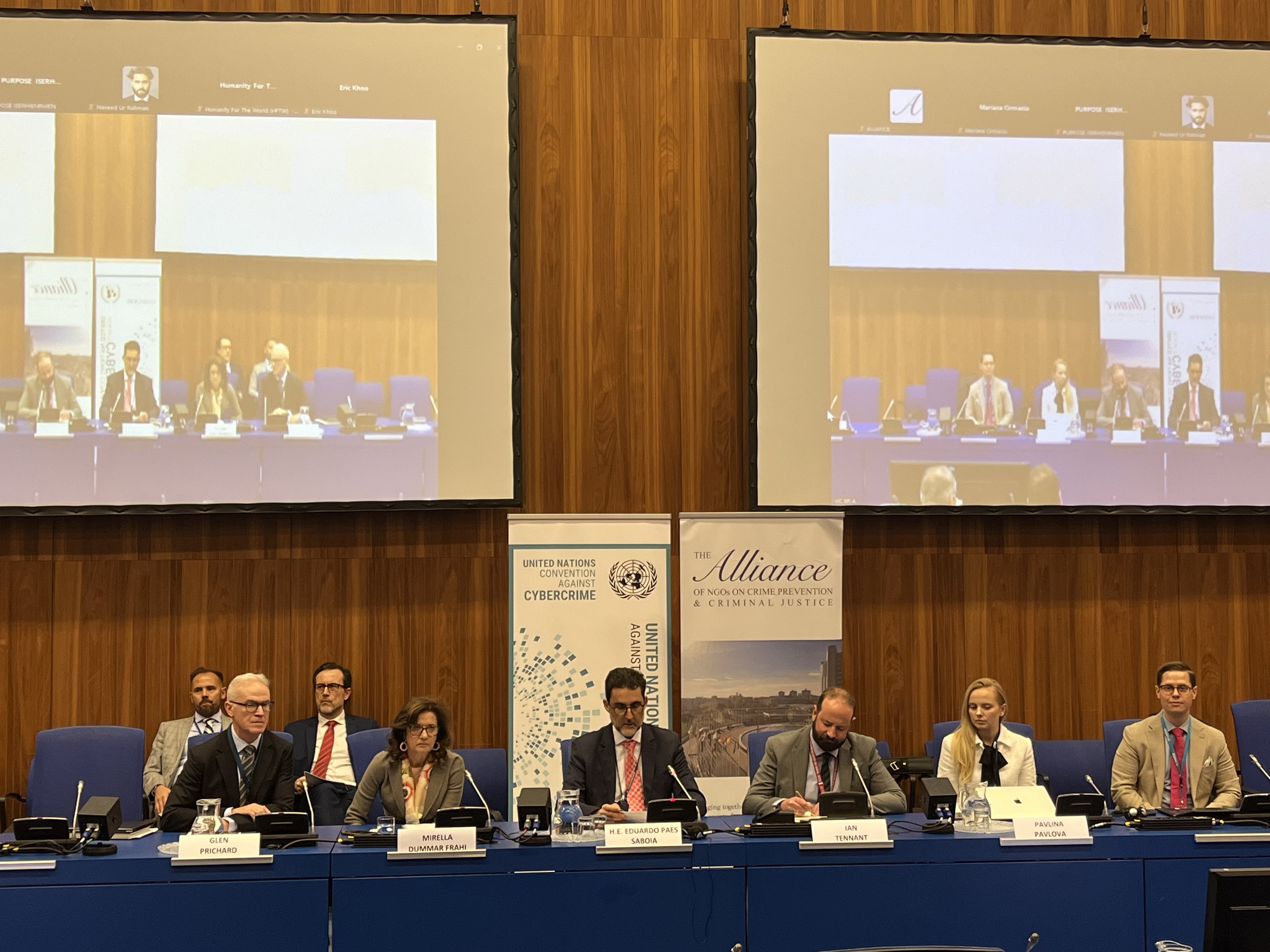
Multi-stakeholder representatives, including the Alliance, stressed the need for a comprehensive framework enabling their meaningful inclusion and active engagement. Key points included access to plenary meetings and subsidiary bodies, the value of technical assistance and capacity building. Access to monitor the Convention’s impact is fundamental, ensuring their participation as observers with the right to provide input in oral and written form to facilitate the information exchange among State Parties and non-state actors.
During the week, the Alliance co-organized an event focused on the importance of coordinated efforts across sectors, the use of evidence-based insights, capacity-building through private sector engagement. The strengthening of accountability and criminal prosecution mechanisms and the involvement of victim groups was also part of the discussion. Contributions from industry representatives, including Mastercard and Microsoft, highlighted the private sector’s role in research and development, as well as its growing responsibility in preventing and responding to cybercrime.
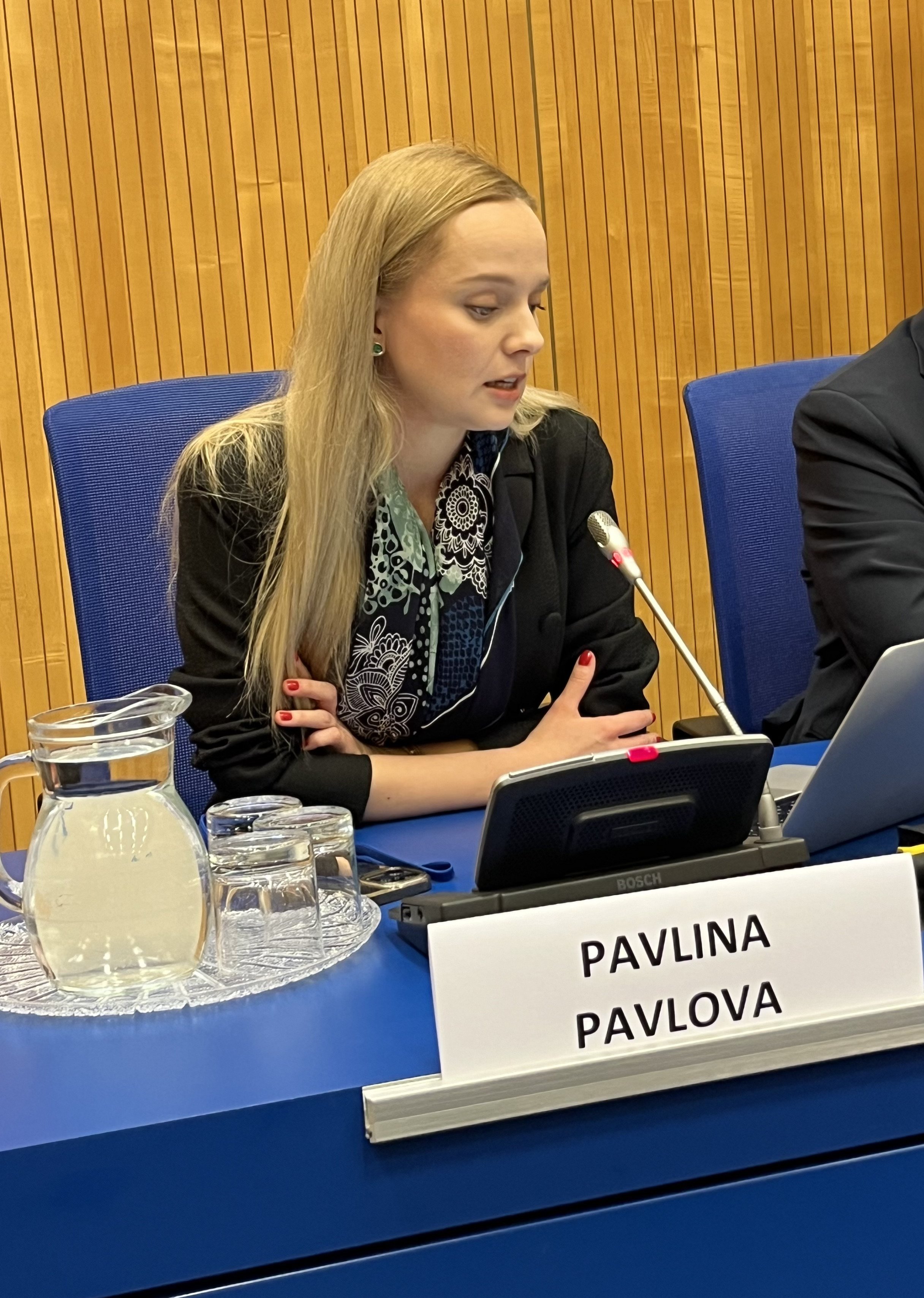
The Alliance of NGOs on Crime Prevention and Criminal Justice also organized an Informal Dialogue with the newly elected Chair of the Ad Hoc Committee, H.E. Eduardo Paes Saboia, Ambassador of Brazil, to strengthen an open exchange on the involvement of the NGOs, private sector, civil society, human rights organizations, and academia in treaty implementation.
03 Feb, 2026