
Regional Workshop on Non-governmental Stakeholders’ Engagement in Practical Application of the UN Convention against Transnational Organized Crime
From 19 to 21 November 2025, the Alliance co-organized with LIBERA, GI-TOC, and the UNODC in the Regional Workshop on Non-governmental Stakeholders’ Engagement in Practical Application of the UN Convention against Transnational Organized Crime in Rome. The event took place over six intensive sessions, spanning over the course of three days of discussions, presentations, and breakout sessions.
The phenomenon of transnational organized crime (TOC) in Europe was introduced to the attendees in the first session. The information presented during session two was aimed at delivering important data regarding the social pervasiveness, dynamics, strengths/weaknesses, most common hotspots, and most involved actors that characterize TOC. Moreover, by referring to indexes and updated reports, the session also exhibited the current level of resilience in the global context against TOC and which pressing vulnerabilities must be addressed. In summary, the first day outlined the convergence of various criminal issues, expressed an emerging necessity to respond and build sustainable, community-led, and inclusive resilience programmes against criminal activities that proliferate in many societies. More institutional access and early responses to organized crime activities must be provided, considering the urgency to support victims.
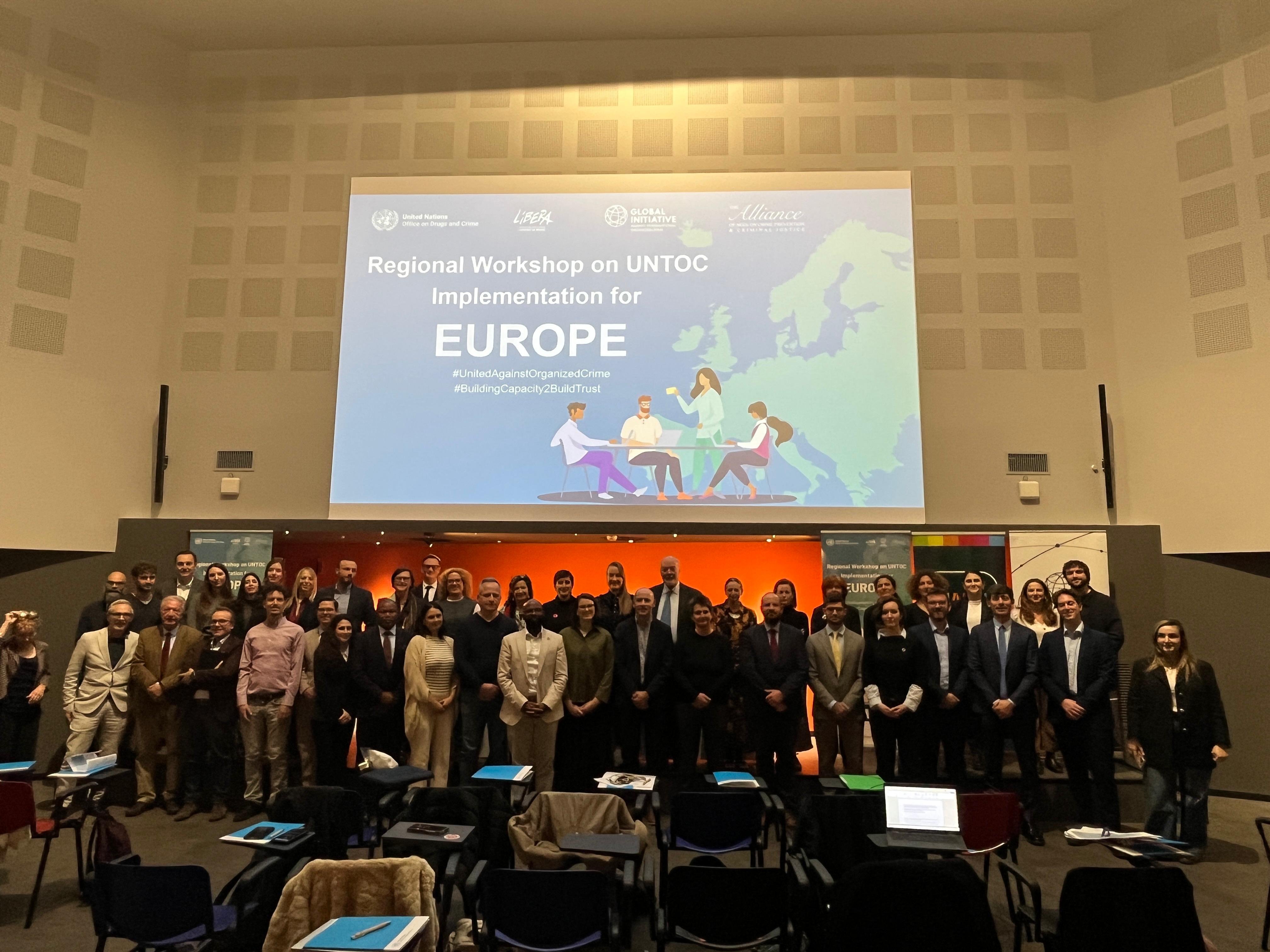
On the second day, the current international and regional legal frameworks in the fight and prevention of transnational organized crime was addressed, analyzing limitations and opportunities for greater cooperation and efficiency in the near future. In the third session the UNTOC Review Mechanism was considered along with the EU legal framework and international initiatives like EL PACCTO to highlight the current challenges, such as the high level of fragmentation and the lack of resources to concretely implement such provisions. The fourth session that followed complemented this discussion with an analysis of regional non-governmental initiatives, highlighting the potential and fundamental impact of NGOs, academia, and civil society. Knowledge, data sharing, practical and operational assistance, and solidarity-based networking across borders are all critical instruments that may be employed in the fight against TOC. The SAF (Scan Awareness and Fraud Education) training program was presented- consisting of five modules designed to equip first responders, CSOs, and professionals to detect fraud, support victims, and reduce victim blaming.
The fifth session on the second day, acknowledging the existing institutional gaps, concluded with a presentation of alternative implementation methods that could significantly combat the struggle against TOC. For example, the SAFE method (Stop, Ask, Feel, Engage) offers a behavioral framework to help individuals identify red flags, reduce impulsive responses to fraud attempts, and encourage peer-to-peer support. The day closed with session six, dedicated to Working Groups, in which participants broke out into groups aligned with the main six thematic pillars of the workshop to discuss and offer grounded solutions on the following issues: child exploitation and forced criminality, hybrid threats and high-risk criminal networks, cyber-enabled organized crime and AI threats, asset recovery and social reuse, corruption and infiltration of public institutions and youth recruitment and prevention strategies. By using the LUMA design-thinking methodology, the discussion ultimately identified the urgency of cross-sector cooperation, the importance of survivor-centered and evidence-based approaches, the value of harmonized frameworks against TOC, and the need for stronger regional mechanisms and political support.
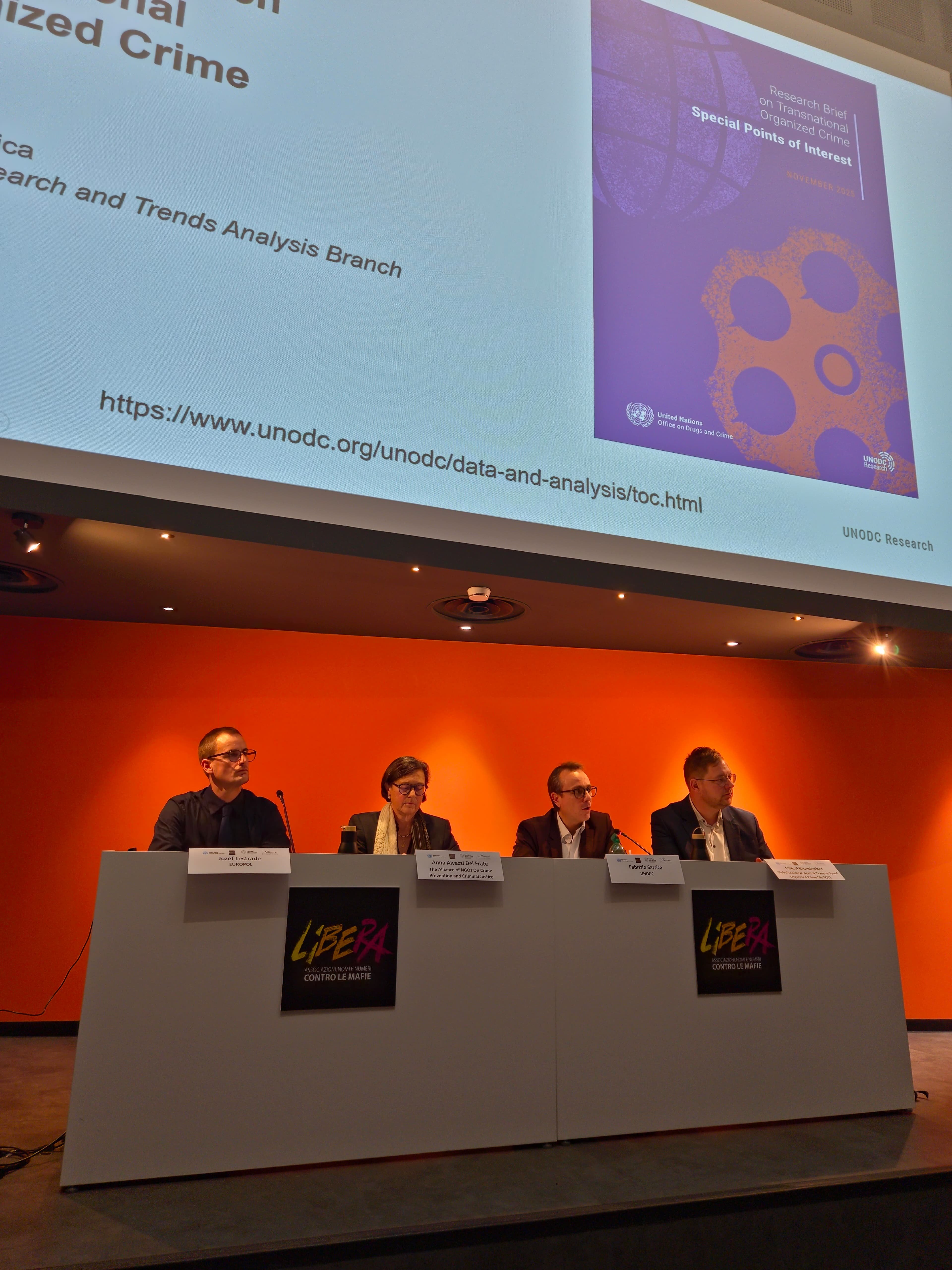
The Workshop on the third and final day shifted the dialogue towards a more practical dimension with the discussion over a future European Civil Society Engagement Mechanism for UNTOC Implementation. The first discussion of the day emphasized the central role of survivors in shaping policies on trafficking, cyber exploitation, and organized crime. Speakers called for deeper integration of survivors into national and international policy design, with particular emphasis on trauma-informed and rights-based approaches, with the goal of integrating universal, survivor-informed social systems. By observing comparative models in Latin America for violence prevention, the discussion recognized the importance of multi-stakeholder partnerships, academia, and the inherently transnational nature of organized crime. The aim was to propose a framework for cooperation. Preparation for Collective Action during the coffee break discussion, an insightful exercise was introduced. Participants reflected on their short-, medium-, and long-term commitments, putting emphasis on realistic, feasible, and measurable contributions. This reflection served to bridge discussions from the working groups toward the development of coordinated regional mechanisms. This strategic section culminated with the operational design of this Mechanism and the roadmap for its implementation at the regional level.
In conclusion, the Regional Workshop demonstrated the potential to strengthen stakeholders’ capacity to understand and apply the tools UNTOC provides. The Workshop emphasized survivor leadership, digital safety, fraud prevention, and identified the current challenges in combating TOC, corruption, and cybercrime. Moreover, it provided a framework of actionable strategies across the Workshop’ six thematic pillars and laid the foundation for a new European Civil Society Engagement Mechanism. This three-day event highlighted the importance of regional cooperation, shared advocacy, and sustained funding to strengthen current efforts in the fight against transnational organized crime.
03 Dec, 2025